

26 de Abril
Lluvia ligera, 17 °C












¿Rumbo al Pacto de Mayo?
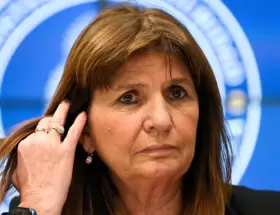
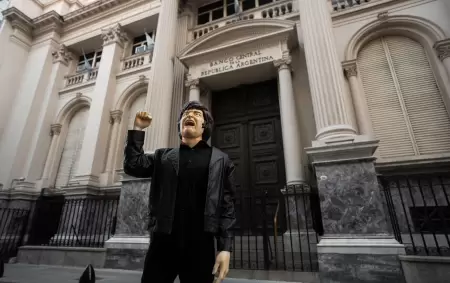
La Ley de Bases se tratará el lunes 29 tras una intensa rosca política: una por una las definiciones más importantes
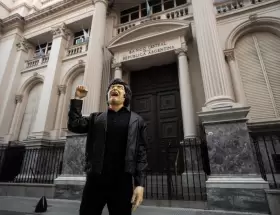
La última modificación que se aceptó es la exclusión del Banco Nación de la lista de empresas a privatizar.



Fuertes declaraciones
Manzana explotó contra Bautista: lo tildó de "culiado" y hasta lo acusó de "acomodado"




Gran Armado
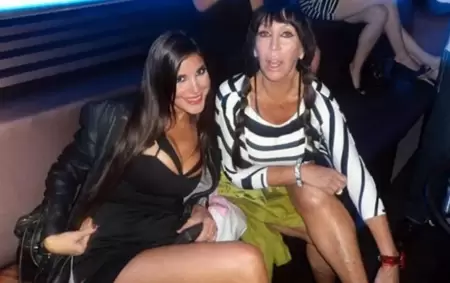
"Esto es culpa de Gran Primo": Furia y Bautista ya no se callan y afirman que la producción "experimenta" con ellos
El ingreso de Coty despertó las sospechas de los participantes.




Insólito y dramático
Fue a comprar un auto, dio a luz en el baño de la concesionaria y quiso abandonar al bebé en un cajón
La joven fue retenida por la Policía, que salvó al recién nacido.
Justicia por Jesús
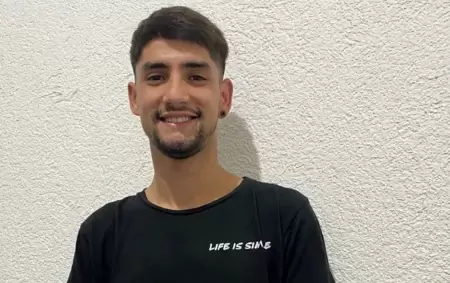
"Lo mataron a patadas": el dolor de la familia de Buffarini, el futbolista que murió "desnucado" tras una pelea
El joven murió tras ser atacado a la salida de un local bailable en General Cabrera.
¿Está nervioso?
Alfa, contra las cuerdas: le robó las llaves del auto a una mujer, la empujó, se fugó y fue allanado
El ex participante de Gran Hermano maltrató a una mujer y fue denunciado por "hurto".
Si hubiese gobernado como tuitea...
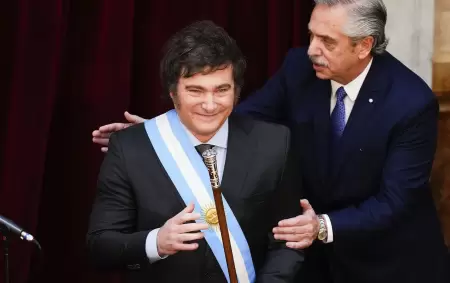
Milei lo calificó de "títere" y Alberto Fernández lo chicaneó: "Mi perro no me aconseja y está vivo"
El presidente criticó a su antecesor durante su discurso en la cena de la Fundación Libertad.
¿Se lo lleva a Duca?
Extra TV cambió de manos, echaron a Ari Paluch y ¿eligieron a Azzaro como director?
El canal fue comprado hace una semana por un misterioso empresario pakistaní.

Chiquita y veloz
Lali dejó de lado las sutilezas y volvió a disparar contra Milei: "Hay gente que usa mal la palabra libertad"
La cantante criticó, aunque sin mencionarlo, al presidente en la tevé española.
Finge demencia
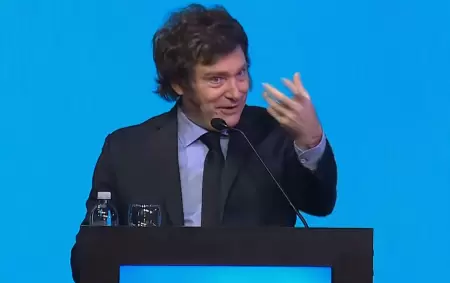
Milei de cara al tratamiento exprés que pretende de la ley bases: "Vamos a lograr todo esto a pesar de la política"
El presidente encabezó la cena de la Fundación Libertad y se volvió a reunir con Mauricio Macri.

Qué dicen los astros
Horóscopo de Acuario: "Te manipulan o manipulas mucho a alguien en tu relación"
No te pierdas la tirada de Negra del Tarot para los próximos días.
Por Negra del Tarot
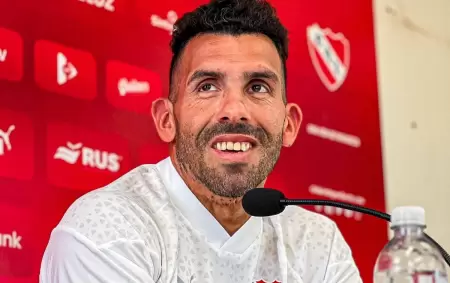
Solo un susto
Carlos Tévez sorprende con buenas noticias: será dado de alta, pero ¿cuándo se reincorpora?
¿Qué dice el parte médico del director técnico de Independiente?
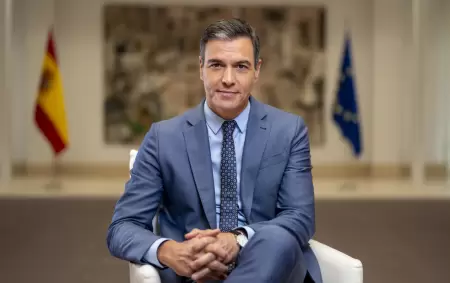
Ultraderecha en el mundo
Sánchez, presidente de España alertó una posible salida de su cargo: terribles acusaciones caen sobre su esposa
A través de una extensa carta en sus redes sociales, Sánchez responsabiliza a movimientos de derecha por las acusaciones contra su compañera.
¿Creés que las prepagas van a devolver todo lo sobrefacturado?

Lo más visto
- Se tenía que decir y se dijo: Qué pasó realmente entre Moria Casán y Andrea Rincón
- Extra TV cambió de manos, echaron a Ari Paluch y ¿eligieron a Azzaro como director?
- Alfa, contra las cuerdas: le robó las llaves del auto a una mujer, la empujó, se fugó y fue allanado
- Jimena Barón incomodó a todos los ricoteros en Olga: "No voy a fingir"
- "Lo mataron a patadas": el dolor de la familia de Buffarini, el futbolista que murió "desnucado" tras una pelea

Los pasos de Sergio
A Berni lo retaron a bailar y sacó a relucir los prohibidos: "Les paso el trapo"

Se nos metió una Lizy en el ojo
Lizy y su apoyo a la Universidad pública: "Es la gran oportunidad que tenemos muchos de tener conocimiento"



¿Y Candela? ¿Y la moto? ¿Y Pato Bullrich?
"No hay policías": Roxy Vázquez contó los dos hechos de inseguridad que sufrió el mismo día